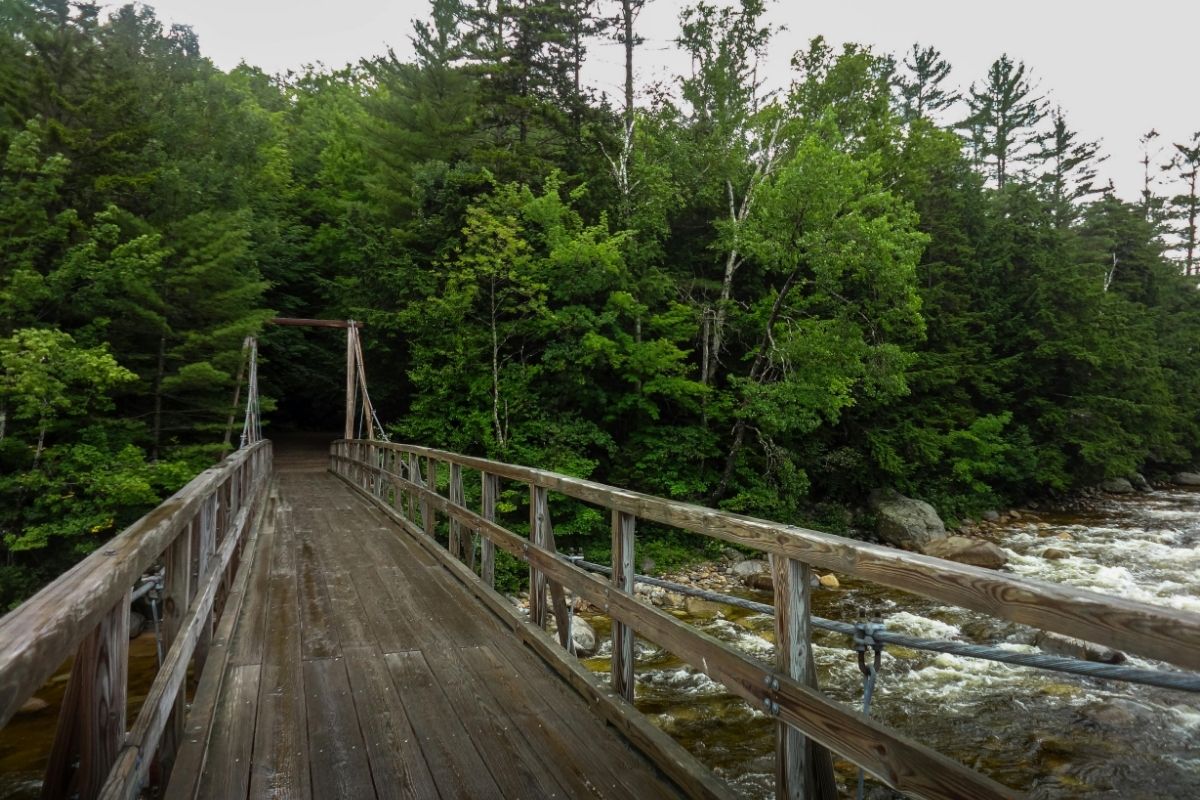
There is a quiet kind of magic that happens when you step into the woods, the way the morning light filters through the trees, the soft murmur of wind in the leaves, and the gentle rhythm of your own breath.
A hike is more than movement. It is a chance to slow down, notice the world around you, and feel grounded in the moment. The right gear does not weigh you down. It makes the journey feel simpler, more joyful, and more connected to the natural world.
Here is how I pack for a hike in a way that feels calm, grounded, and prepared without overwhelming your backpack or your mind.
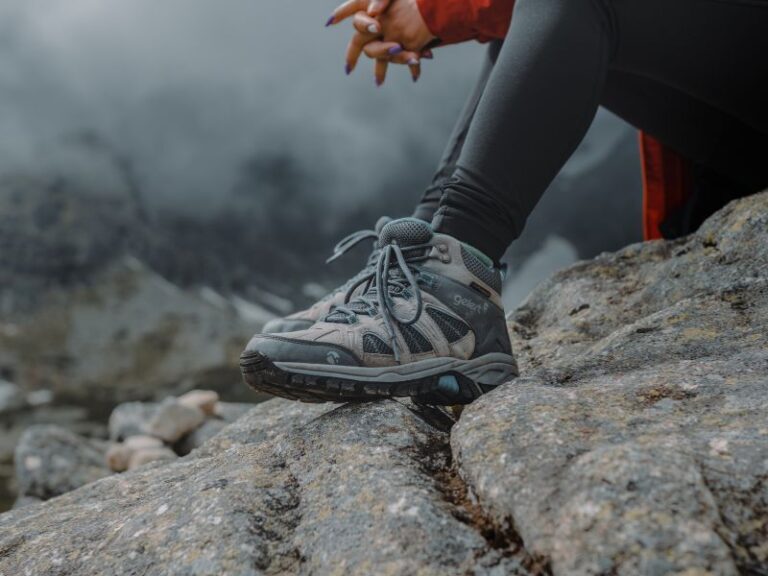
Essentials I Always Bring
These are the items I never leave the trailhead without. They keep you safe, confident, and ready to enjoy the path ahead.
-
Water and hydration
Hydration is the foundation of any hike. I always carry enough water to stay refreshed throughout the journey. For longer hikes I also bring a refillable option. -
Snacks that nourish and sustain
Simple foods like nuts, dried fruit, or a honey‑date energy bar give slow, steady energy without artificial sugar spikes. -
Navigation and awareness
A good sense of direction always starts with a map and compass. Even if I also use a phone app, having a physical map helps me feel grounded in the landscape. -
Safety and first aid
A small first aid kit lets me treat blisters, scrapes, or minor discomfort with care and ease.
Tools for Comfort and Ease
A few well‑chosen tools can make a hike feel more peaceful and comfortable.
-
Portable water bottle with filter — Clean hydration on the trail keeps you confident and refreshed without worrying about where the next source of water will be.
-
Lightweight hiking backpack — A daypack that feels like a part of you makes carrying gear feel effortless, not burdensome.
-
Moisture‑wicking hiking socks — These keep your feet dry and comfortable, especially on longer trails or varying terrain.
Having these items means comfort becomes part of your awareness rather than a distraction.
Clothing and Layers
Weather shifts can be subtle and swift in the wild. My clothing choices always reflect lightness, warmth, and the ability to adapt.
-
Base layers that breathe
A soft breathable shirt keeps you cool on uphill sections and warm in the shade. -
Insulating layer
A lightweight fleece or wool layer is easy to add or remove as the temperature changes. -
Rain ready shell
A waterproof shell that folds into your pack gives peace of mind without bulk. -
Hat and sun protection
Gentle sun on the trail is a gift, but protection keeps your journey easy and kind to your skin.
Tools for Observation and Wonder
Sometimes the best part of a hike is what you notice along the way. These extras invite deeper connection.
-
Compact binoculars — Birds, distant peaks, hidden valleys and suddenly the world feels much larger and much closer all at once.
-
Nature field guide
A small guide to wildflowers or birds invites curiosity and makes each path feel like a new discovery. -
Journal and pencil
Not to write plans, but to notice details such as the curve of a leaf, the sound of a creek, the texture of bark.
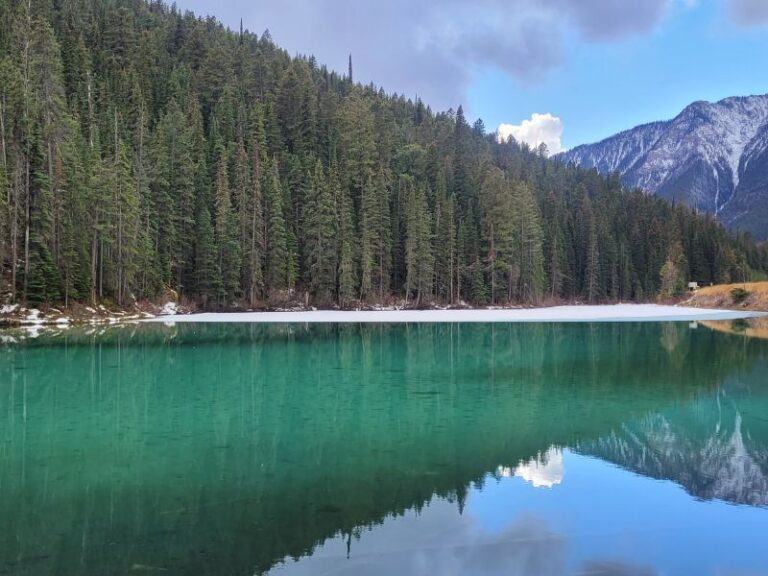
Safety, Preparedness, and Peace of Mind
The wilderness isn’t a place of fear, but of respect. These things keep you safe with grace.
-
First aid essentials
A small kit with bandages, blister care, and disinfecting wipes gives confidence on rocky or uneven terrain. -
Headlamp or whistle
A headlamp casts gentle light when dusk arrives sooner than expected, and a whistle is a simple way to call attention if needed. -
Sun protection
Lips, skin, and eyes all deserve care for long sunny stretches.
How To Pack Light and With Intention
The art of packing is not about more. It’s about balance.
Start with your essentials. Then add comfort items only if they truly serve your experience. Feel the weight in your bag not as burden, but as intentional companions for your time outside.
Most hikers I know keep their packs between 10 and 18 pounds for day hikes. That’s light enough to feel free and prepared enough to feel confident.

Quick Hiking Packing List Recap
Before heading out on the trail, here is a simple checklist of the items mentioned above. Packing intentionally helps keep your backpack light while still preparing you for a safe and enjoyable hike.
Hiking Essentials
-
Water or hydration system
-
Portable water bottle with filter
-
Trail snacks or energy bars
-
Map and compass or navigation app
-
Small first aid kit
-
Sunscreen and lip balm
Clothing and Layers
-
Breathable base layer shirt
-
Insulating fleece or wool layer
-
Waterproof rain shell
-
Hat or sun protection
-
Moisture-wicking hiking socks
Gear and Comfort Items
-
Lightweight hiking backpack
-
Headlamp or small flashlight
-
Whistle or safety signal device
-
Journal and pencil for nature observations
Tools for Exploring Nature
-
Compact binoculars
-
Nature field guide for birds, plants, or wildlife
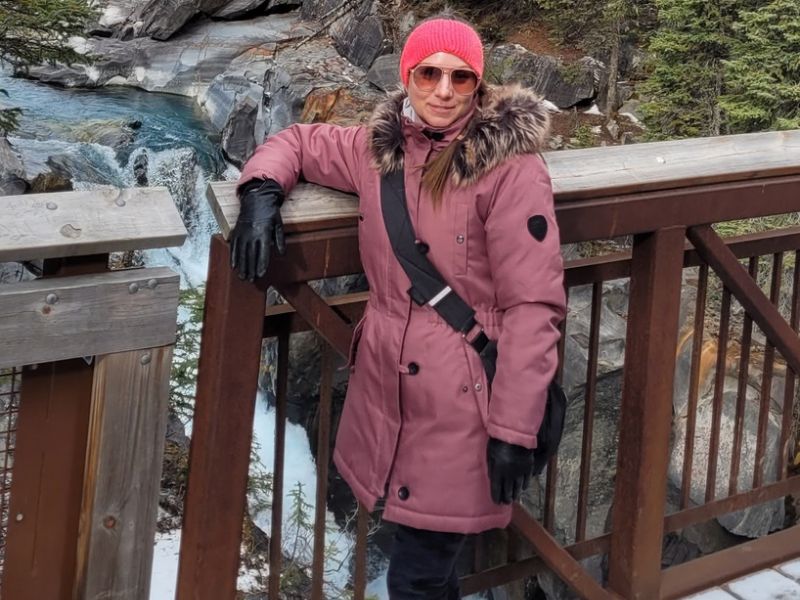
Why These Items Matter
This list is not a checklist of gadgets to collect. It is a guide to what will support your body, your focus, and your sense of wonder while you are outside. The right items help you notice more the scent of pine, the texture of stone, the playful dance of sunlight on leaves.
That sense of connection is the heart of a good hike.
This post may contain affiliate links. If you purchase through them, I may earn a small commission at no extra cost to you. Thank you for supporting my adventures.